

Goth vs Punk Fashion: What Sets Them Apart?
One black outfit, two completely different energies. That’s usually where the goth vs punk fashion conversation gets messy. From the outside, both can look dark, dramatic and anti-mainstream - but once you clock the details, the difference is loud. Punk pushes, provokes and tears things open. Goth pulls things inward, turns up the drama and makes beauty out of shadows.
If you’ve ever stood in front of your wardrobe wondering whether your look is reading more crypt club night or underground gig in a sticky band room, you’re not alone. These styles share history, attitude and a healthy disrespect for bland dressing, but they are not the same thing. And if you love both? Even better. Knowing the difference gives you more room to build a look that feels deliberate, not costume-y.
Goth vs punk fashion: the core difference
The quickest way to separate them is this: punk fashion is built around disruption, while goth fashion is built around atmosphere. Punk is raw, confrontational and often intentionally messy. Goth is moody, theatrical and more polished, even when it’s distressed.
Punk came through with a DIY spirit and a refusal to play nice. Think ripped fabrics, safety pins, band tees, tartan, leather, studs and boots that look ready to stomp through a protest or a mosh pit. The point wasn’t to look pretty. The point was to reject whatever passed for acceptable.
Goth moved in a different emotional direction. It took some of punk’s rebellion, then layered on darkness, romance, melancholy and drama. Instead of chaos for chaos’ sake, goth usually feels more curated. Velvet, lace, mesh, corsetry, silver hardware, long coats, platform boots and heavy black eyeliner all sit naturally here.
That doesn’t mean punk can’t be styled sharply or goth can’t be scrappy. Subcultures are never neat little boxes. But if punk says, “don’t tell me what to do”, goth says, “I’ll make my own world instead.”
Where the styles came from
Punk fashion exploded in the 1970s alongside punk music scenes in places like London, New York and beyond. It was political, anti-establishment and proudly DIY. People customised what they had because they had to, and because refusing polished mainstream fashion was part of the whole point. Slashed tops, patched denim, bondage trousers and battered leather jackets weren’t just a look. They were a statement.
Goth came out of the post-punk scene in the late 1970s and early 1980s. It kept some of punk’s edge but traded blunt-force aggression for mood, art, fantasy and darker aesthetics. Goth style was shaped by music too, but the visual language shifted towards Victorian references, religious iconography, occult touches, dramatic silhouettes and a more stylised beauty look.
That shared family tree is exactly why people mix them up. Goth didn’t appear from nowhere. It grew from punk-adjacent roots, which means overlap is normal. The difference is in what each style emphasises.
What punk fashion usually looks like
Punk style tends to feel immediate. It’s often built from pieces that look altered, rescued, scribbled on or deliberately damaged. Leather jackets with patches, ripped skinny pants, plaid mini skirts, chain details, fishnets, combat boots and slogan tops all fit the mood.
Hair and beauty matter here too. Spikes, choppy cuts, shaved sections and vivid colours all make sense in punk. Makeup can be smudgy, graphic or almost non-existent depending on the flavour of punk you lean towards. The common thread is attitude over perfection.
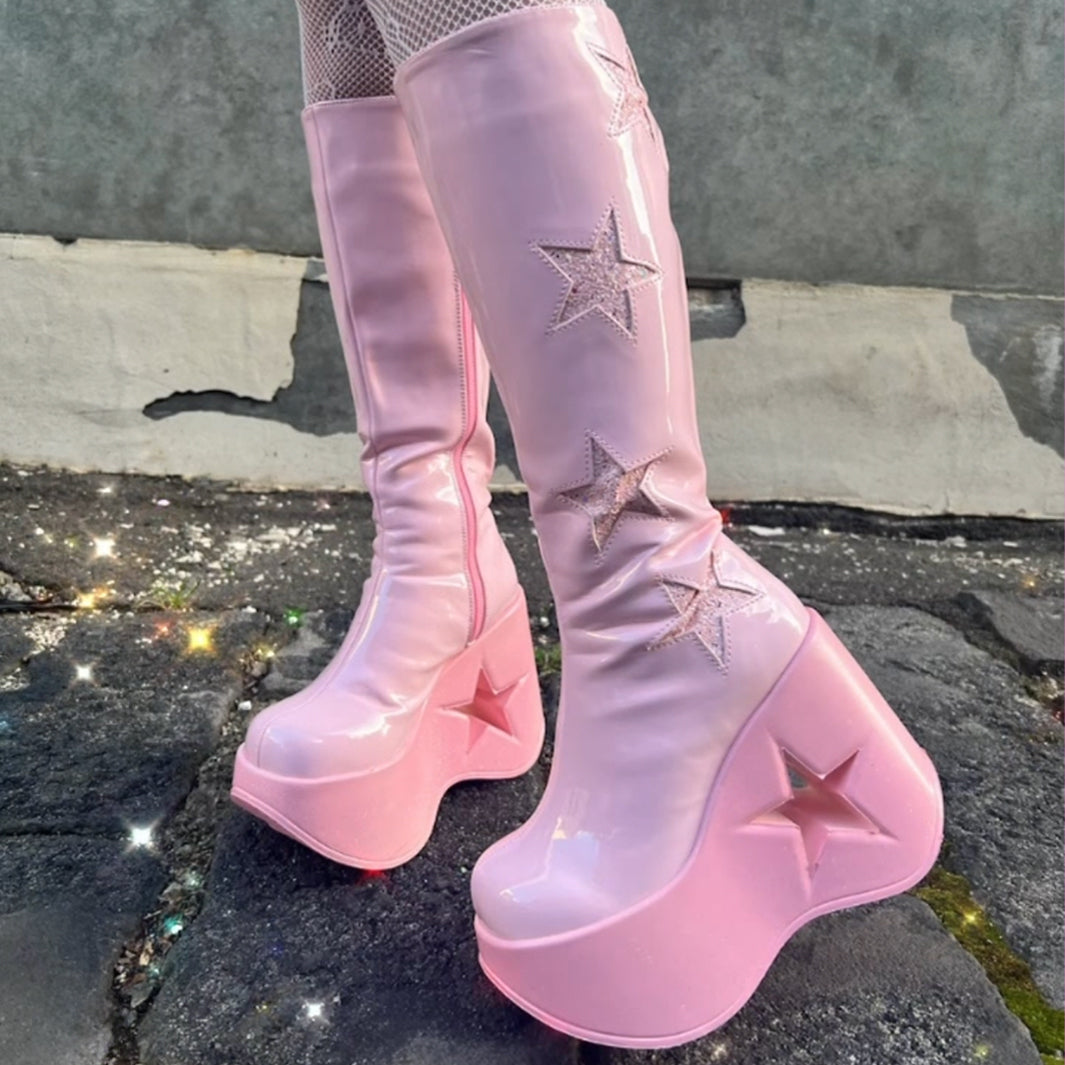
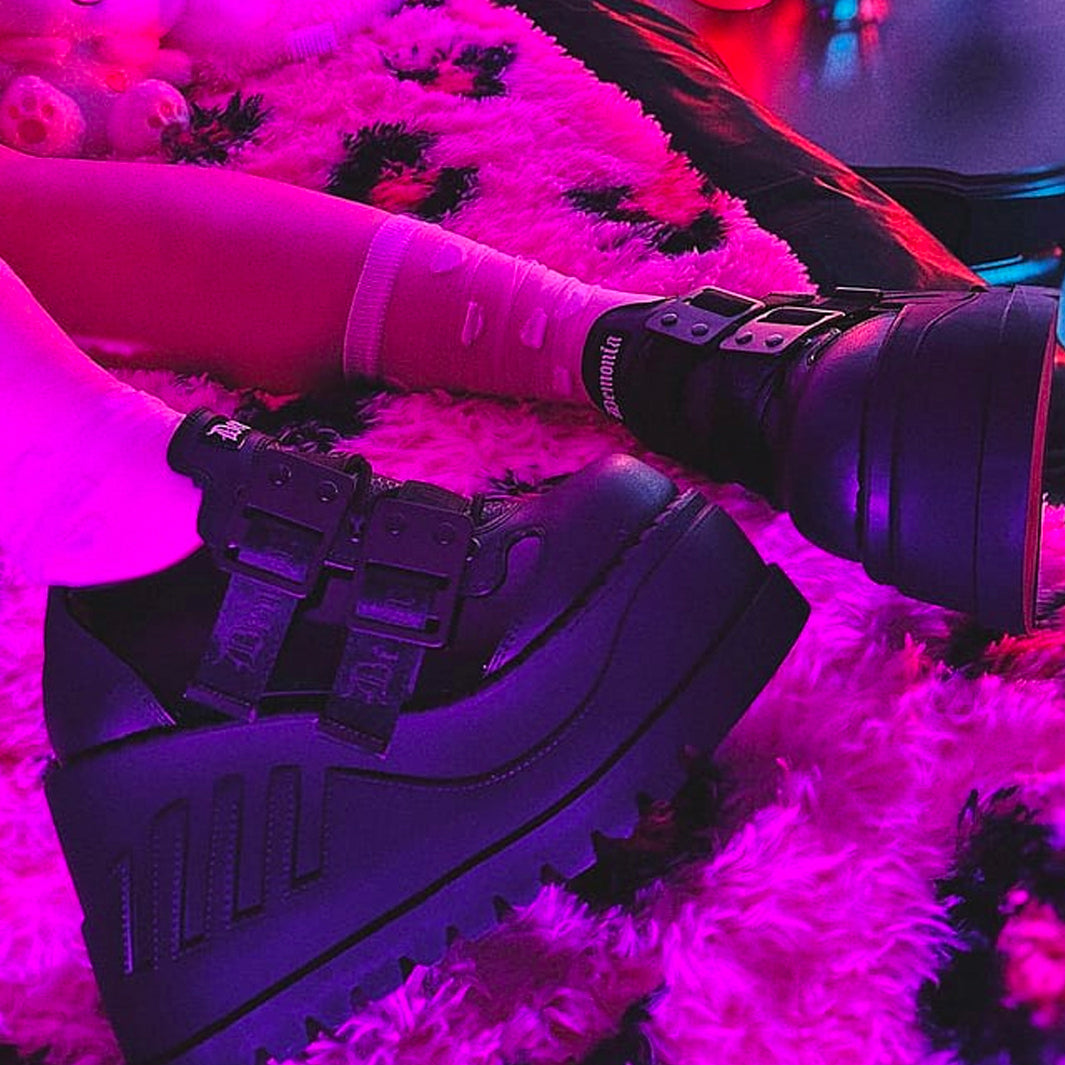
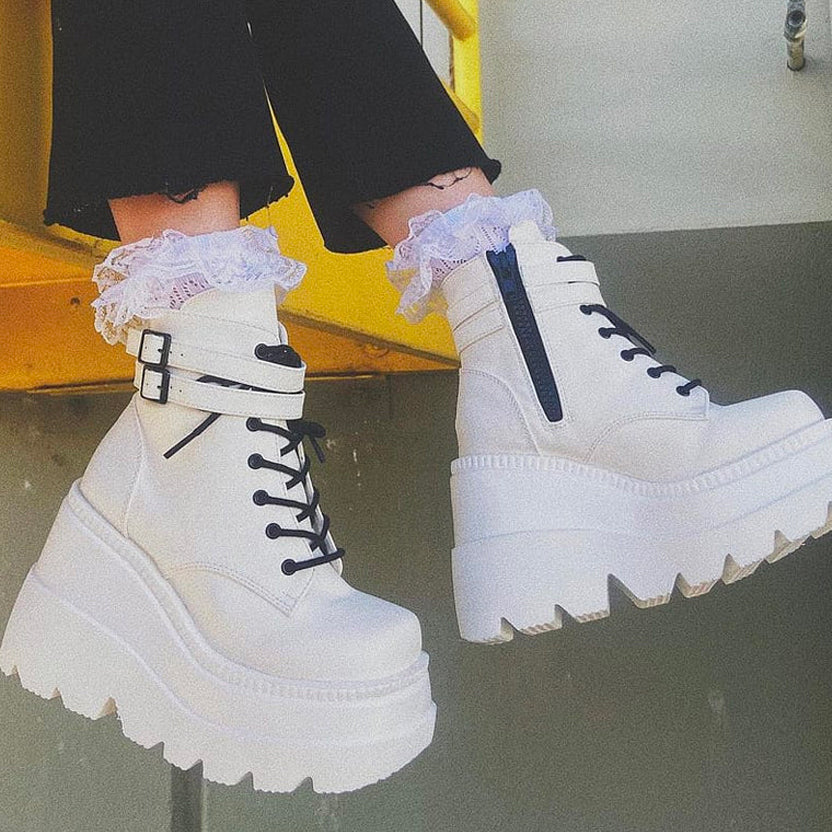
Footwear does a lot of heavy lifting. Chunky boots, steel-cap styles and stomp-ready platforms give punk looks their backbone. If a shoe looks too delicate, too pristine or too polite, it usually pulls the outfit away from punk and into something else.
Punk also has more visible tension in it. There’s often a clash between pieces - tartan with leather, fishnets with oversized hardware, sharp metal details against worn fabrics. It should feel a little dangerous, a little off-centre.
What goth fashion usually looks like
Goth style is more likely to create a full visual world. Black is still the anchor, but texture becomes a huge deal. Lace, velvet, satin, mesh, brocade, faux leather and sheer layers all bring that rich, haunted energy. Where punk tears things apart, goth often builds them up.
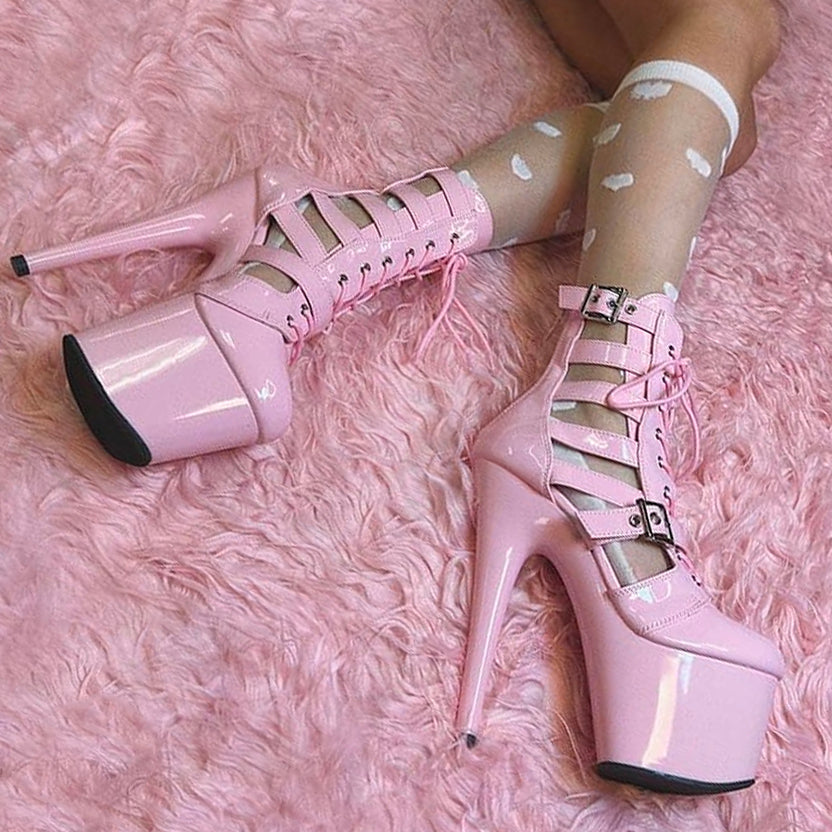
Silhouettes can go in different directions. Some goth looks are sleek and severe, with fitted black basics, platform boots and minimal silver jewellery. Others go full romantic with flowing sleeves, corset waists, long skirts and dramatic outerwear. Then you’ve got cybergoth, trad goth, deathrock, pastel goth and more, each with their own twist.
Beauty is one of the clearest tells. Goth makeup is usually more intentional and atmospheric - smoked-out eyes, dark lips, pale complexions or sharply defined features. Hair can be teased, dyed black, crimped, backcombed or styled into something almost sculptural. Even when the outfit is simple, the overall effect is often dramatic.
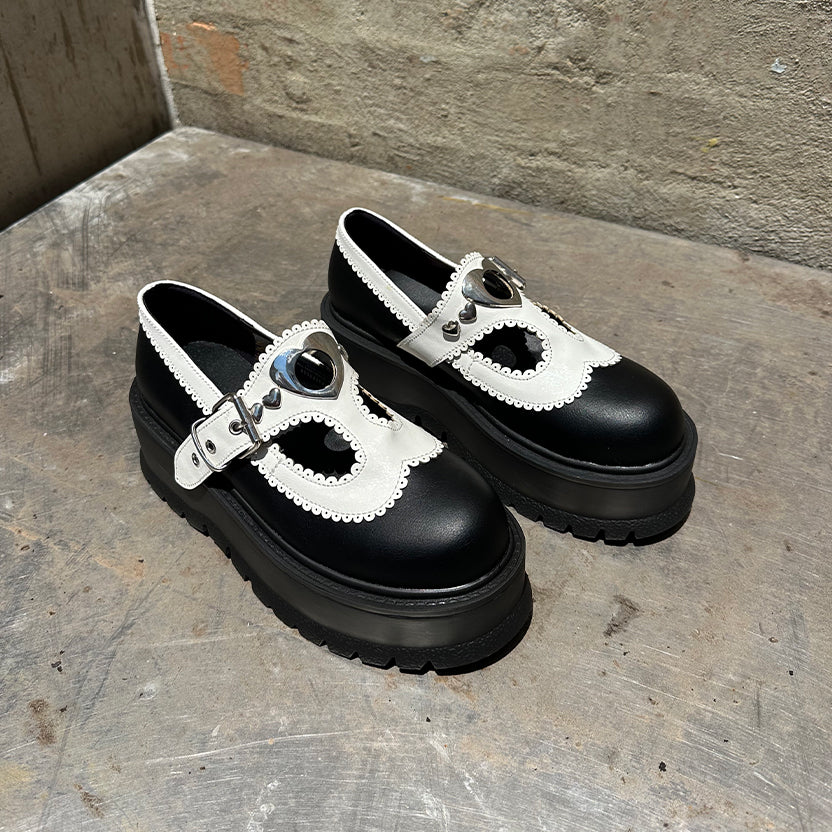
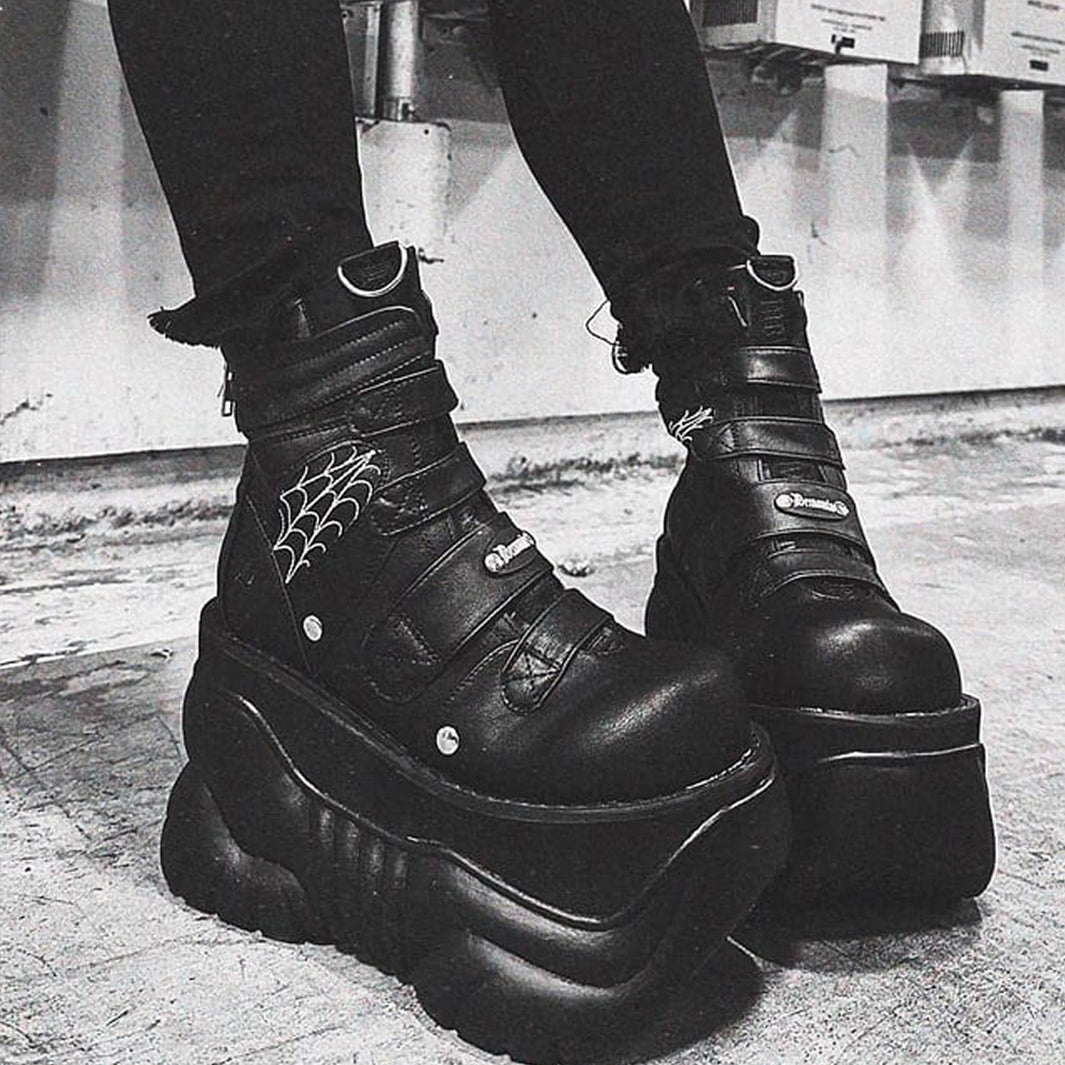
And yes, boots matter here too. Platform boots, statement heels and heavy footwear are goth staples, but the vibe is less pub-floor chaos and more cathedral-at-midnight fantasy.
Goth vs punk fashion in everyday styling
When you’re actually getting dressed, the difference often comes down to what you prioritise. If you start with band patches, distressed denim, a battered jacket and hardware, you’re probably moving punk. If you’re reaching for mesh sleeves, a harness, a long black dress, oversized platforms and jewellery with a darker romantic edge, that’s more goth.
Punk outfits often look like they’ve evolved through wear. Goth outfits often look like they’ve been assembled with a mood in mind. Neither is better. It depends whether you want your look to hit as rebellious, eerie, glamorous, gritty or somewhere deliciously in between.
This matters when shopping too. If you buy purely by colour, you can end up with pieces that don’t really work together. Black doesn’t automatically make something goth, and studs alone don’t automatically make it punk. Fabric, shape, styling and finish all change the read.
The overlap is real - and that’s not a bad thing
A lot of alt wardrobes aren’t strictly one thing. You might wear a lace maxi dress with a studded leather jacket. You might pair tartan trousers with a mesh top and platform boots. You might love trad goth makeup but still throw on a shredded band tee for gigs. That doesn’t mean you’re doing it wrong. It means you’re dressing like a real person, not a museum display.
The trick is knowing when you’re blending and when you’re blurring. A strong mixed look still has intention. Maybe your base is goth, but you rough it up with punk accessories. Maybe your outfit is punk at heart, but the makeup and boots push it into darker territory.
That’s where good styling gets fun. You can pull from both without looking random if you keep one aesthetic as the lead and let the other support it.
How to tell which one fits your style better
Ask yourself what you want your outfit to say before you even start. If you want grit, tension, protest energy and a more thrown-together feel, punk is probably your lane. If you want drama, darkness, beauty and a stronger sense of mood, goth may be the better match.
Also think about comfort in the broader sense, not just physical comfort. Some people feel amazing in ripped layers, clashing textures and visible DIY details. Others feel more themselves in fitted black pieces, long silhouettes and statement platforms. The right answer is the one that makes you feel more like you, not the one that ticks the most subculture boxes.
If you’re still figuring it out, start with footwear and outerwear. They set the tone quickly. A battered combat boot and crusty leather jacket pull hard towards punk. Towering platforms, heeled boots or a dramatic long coat pull harder towards goth. From there, accessories and beauty can sharpen the message.
Building a look without looking like fancy dress
The easiest mistake with alt fashion is piling on every obvious signifier at once. Too many symbols, too many references, too much matching and suddenly the outfit stops feeling lived-in. Real style needs contrast and restraint, even when it’s bold.
For punk, that might mean one standout statement piece surrounded by basics with edge - a tartan skirt with a fitted black top and heavy boots, or a patch-covered jacket over plain black denim. For goth, it could be a dramatic dress balanced by simpler accessories, or a fitted harness over a clean monochrome base.
Quality matters too. Even the messier aesthetics look better when the fit is right and the pieces feel intentional. That’s one reason curated alt retailers matter. A place like TIBBS & BONES makes it easier to build a wardrobe with attitude instead of panic-buying random black things and hoping they magically become a look.
So, goth or punk?
You don’t have to swear allegiance to one camp forever. Style shifts. Music changes. Nights out change. Some days call for shredded chaos, other days call for velvet drama and a boot that could summon weather. The point is not to pass a purity test. It’s to understand the language of the clothes well enough to speak it your own way.
If your wardrobe leans dark, loud and deliciously outside the mainstream, you’re already in the right universe. From there, it’s just a matter of choosing whether tonight feels more like rebellion, romance or a wicked little mix of both.